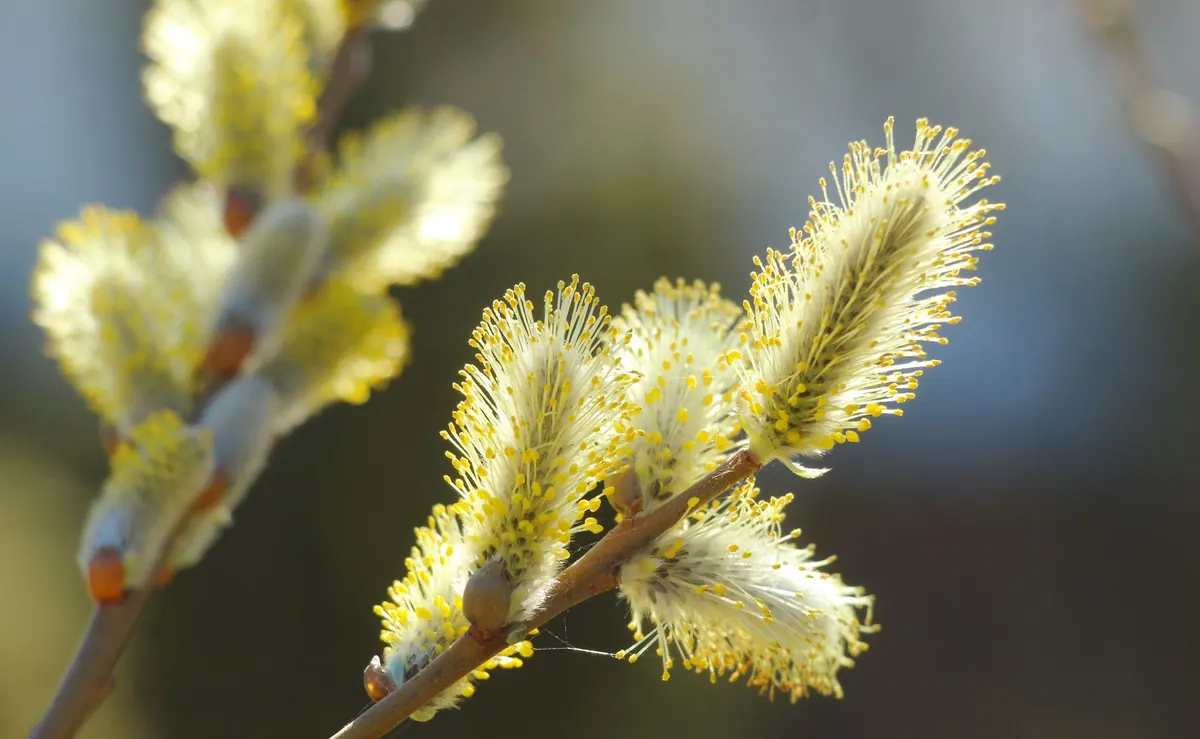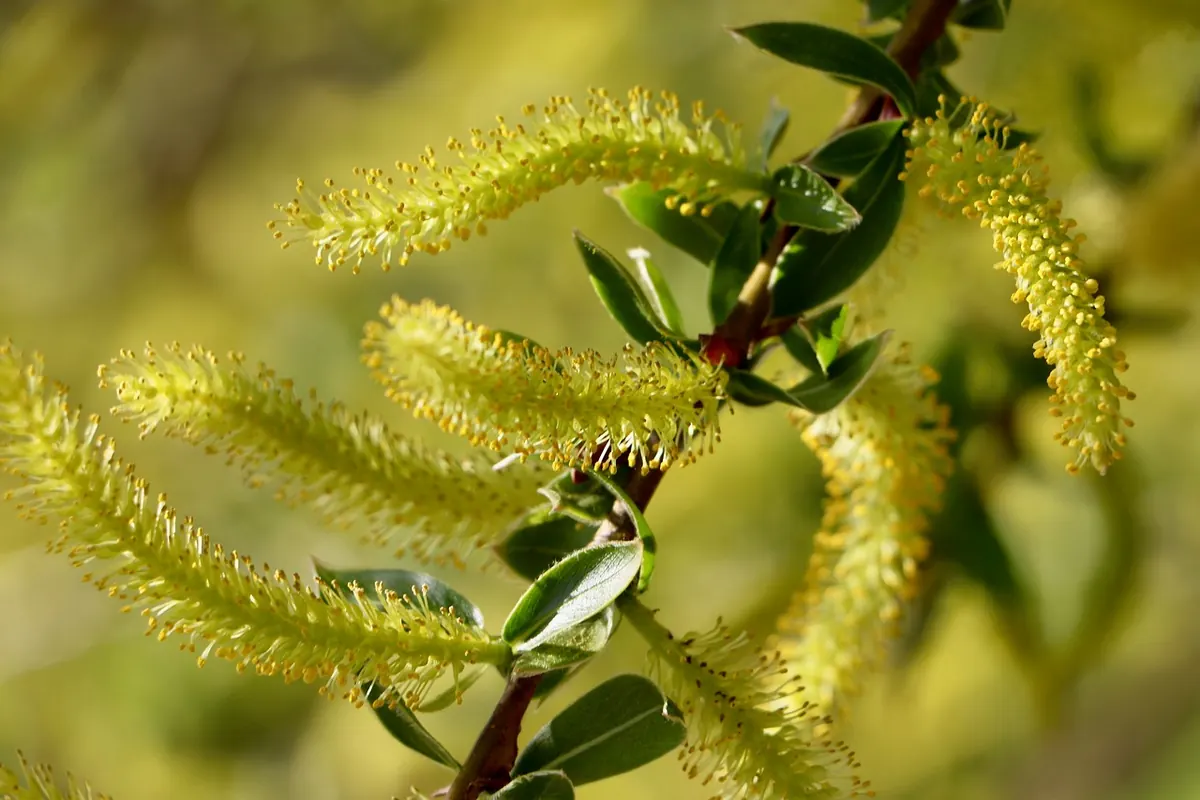
Field Comparison: Journaling a Willow in Spring Versus Autumn
Journal the same willow twice in a year: what to record on spring catkins and leaf burst, what to note in...


On the Tuesday of this project the wind swung round to the north and the hedge went quiet. Not silent — the sparrows were still in it — but quiet the way a room goes quiet when someone opens a door. One line in a notebook, written at 7:40 in the morning, caught it.
That is what a week of weather tracking gives you: not data for its own sake, but the chance to see the exact moment when conditions and creatures stop agreeing with yesterday. You need no equipment beyond a thermometer and a jar, no qualification, and about twenty minutes a day. One fixed route, one fixed hour, one page per day. By Sunday you will have something that most nature writing never has — a baseline to argue with.
A single walk tells you what the weather is doing. A week tells you what the weather is doing to things.
Weather systems crossing Britain and northern Europe usually take two to four days to arrive, pass over and clear. That means almost any seven-day stretch contains at least one real contrast: a soft grey morning, then a hard blue one with frost still in the shade at ten o'clock, then a wet day with the wind in a different quarter. You get a change, and then you get the day after the change, which is where the interesting notes live.
A week is also short enough to actually finish. That matters more than ambition. A month-long project abandoned on day six teaches you nothing; seven days you complete becomes a baseline you can repeat in June and compare against March.
Decide the structure in advance and the daily writing takes five minutes. Decide it each morning and you will drift.
Same walk, same time, ideally within a half-hour window. A fifteen-minute loop from the door is plenty: a garden, the edge of a park, a lane, a balcony with a feeder on it. Consistency beats wilderness every time. Write down your start time each day, because an hour's difference changes what is awake and what has already gone quiet.
Use one page per day, or a two-page spread with the notes on the left and a small sketch on the right. Then keep this list, in this order, every single day:
That last field does more work than beginners expect. "Cold, grey, nothing moving" is useless next spring. "The sort of morning where you can hear the road two fields away" brings the whole day back, and it will tell you something about pressure and sound that a number never will.
An outdoor thermometer fixed to a north-facing fence, a straight-sided tin for rain, a stick to mark the edge of a puddle, a pencil. Read the thermometer at the same height every day and never in direct sun, or you are recording your fence, not the air. Empty the rain tin each morning and measure the depth with a ruler. Wind you estimate by eye and ear, which is fine as long as you use the same descriptions all week.
Resist interpretation. Write what is there and count things — species heard, minutes of birdsong, number of bees on the flowering currant. This is the dull part and it is the entire project. Without Tuesday's ordinary grey morning, Thursday's frost means nothing at all.
Watch for the change arriving and note the hour, not just the result. Cloud thickening from the west, wind backing round, temperature climbing at dusk ahead of rain. Write the transition rather than the state: "15:10, cloud from the west, wind swinging SW, first spots on the window by 16:00." Note what did not change as well. Silence about the rooks is still evidence.
This is the part a single walk cannot show you. Weather turns in hours; ground and creatures take longer. The path stays wet a full day after the rain stops. Aphids and small flies reappear the first calm morning after three windy ones. The dawn chorus starts earlier on the first mild, still morning, not on the warm day that came with a gale. Write down the gap in hours or days between the weather event and the response, and you have made a genuine observation.
You are not trying to explain behaviour, only to record it precisely enough that a pattern might show up later. Some things worth watching:
Thurs 07:35. 3°C, frost in shade, no wind. Two blackbirds already feeding on the lawn, first song 07:41 — eight minutes earlier than Tuesday. No insects on the wall. Path frozen hard at the top, soft by the gate.
Sunday evening, twenty minutes, one cup of something hot. Turn back through the week and put a single line per day on one fresh page: temperature, wind, rain, and a two-word behaviour summary. Then answer three questions in writing.
Question three is uncomfortable and worth the discomfort. "Quiet" and "busy" are judgements; "four species, no song after 08:10" is a record. Rewriting a few of your own notes in that language is the fastest way to improve as a nature journaler.
Most of these are easy to avoid once you know them.
Keep the notebook. Put the same seven days in the diary for next month, and the month after that, on the same route at the same hour. Two or three repeats and you stop writing about weather and start writing about a place — its ordinary mornings, its exceptions, and the small reliable signs that tell you what tomorrow will feel like.
Start with whatever the sky is doing this morning. Write the temperature, guess the wind, and note the first bird you hear. That is day one, and it is already worth more than a week you only meant to do.
Journal the same willow twice in a year: what to record on spring catkins and leaf burst, what to note in...
A twenty-minute garden routine that gets children looking closely: simple prompts, quick drawing tasks,...
A seasonal field guide to willow budburst: reading the single bud scale, telling male from female catkins,...